
NUTRITIONAL GUIDANCE FOR EVERY DAY
Master the Fundamentals of Balanced Eating
The information on this site is for educational purposes only and does not constitute medical advice. Always consult a qualified healthcare professional before making health decisions.
Achieve Nutritional Balance in Your Daily Diet
Understanding how to combine different food groups into your meals is the foundation of sustained wellness. Dietbalancepath provides evidence-based guidance on creating meals that support your energy, mood, and long-term nutritional goals.
Explore practical strategies, real-world meal examples, and science-backed principles that help you make informed food choices every single day. Whether you are navigating dietary preferences, managing portion sizes, or discovering new balanced recipes, our editorial content supports your journey.
Why Nutritional Balance Matters
Macronutrient Balance
Combining carbohydrates, proteins, and healthy fats supports stable energy and sustained fullness throughout your day.
Micronutrient Diversity
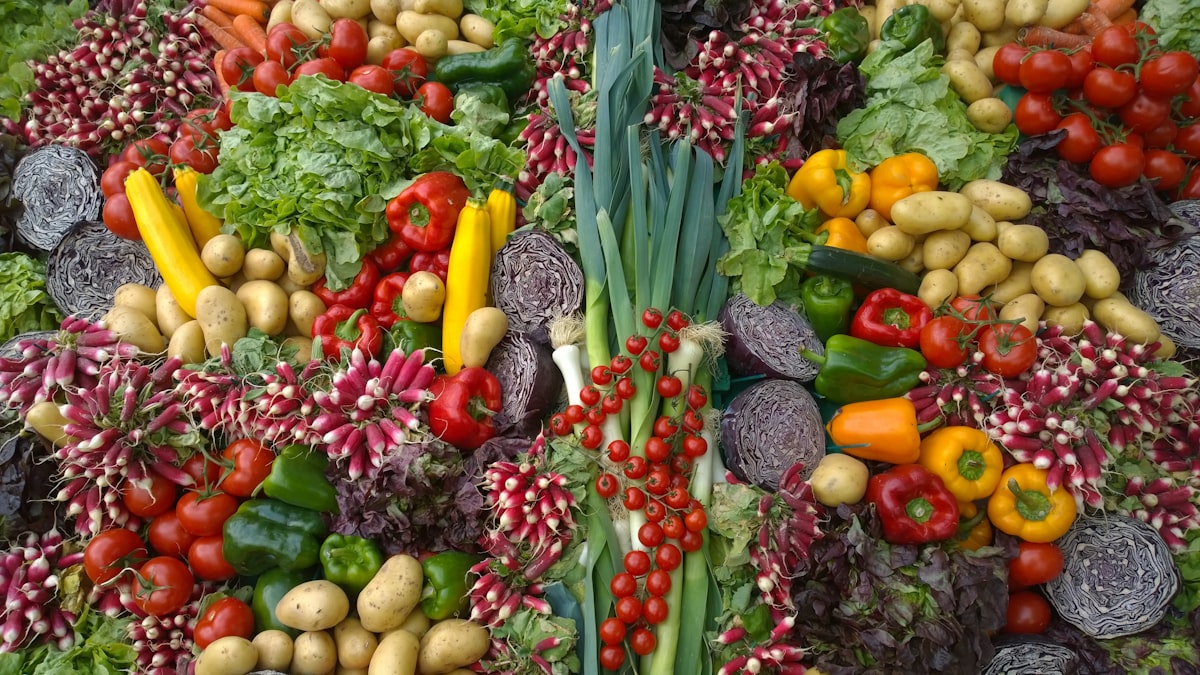
Eating a variety of colourful foods ensures you receive essential vitamins and minerals your body requires daily.
Portion Awareness
Understanding appropriate serving sizes helps you enjoy all foods you love while maintaining nutritional equilibrium.
Sustainable Choices
Building flexible eating habits that fit your lifestyle creates lasting wellness rather than temporary dietary shifts.
Understanding Your Macronutrients
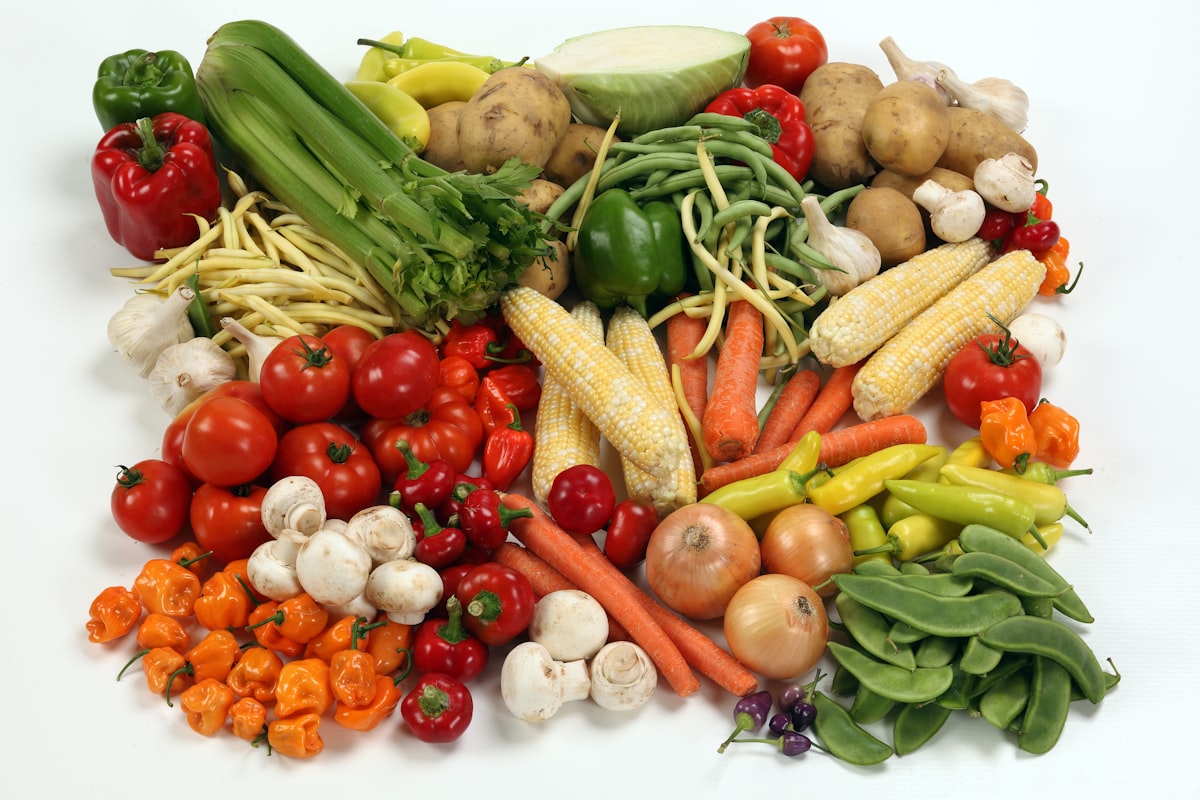
Every balanced meal rests on three essential macronutrient pillars. Proteins rebuild and repair body tissues, carbohydrates provide your primary energy source, and healthy fats support hormone production and nutrient absorption.
Proteins
Found in meat, fish, eggs, legumes, and dairy. Aim for protein at every meal to support muscle, skin, and immune function.
Carbohydrates
Whole grains, vegetables, fruits, and legumes fuel your brain and muscles. Prioritise whole grains and fibre-rich options.
Healthy Fats
Olive oil, nuts, seeds, and fatty fish provide essential fatty acids. Include them daily in moderation for optimal health.
Building Balanced Meals
Explore different meal patterns and food combinations that create nutritional equilibrium throughout your day.
Breakfast Balance
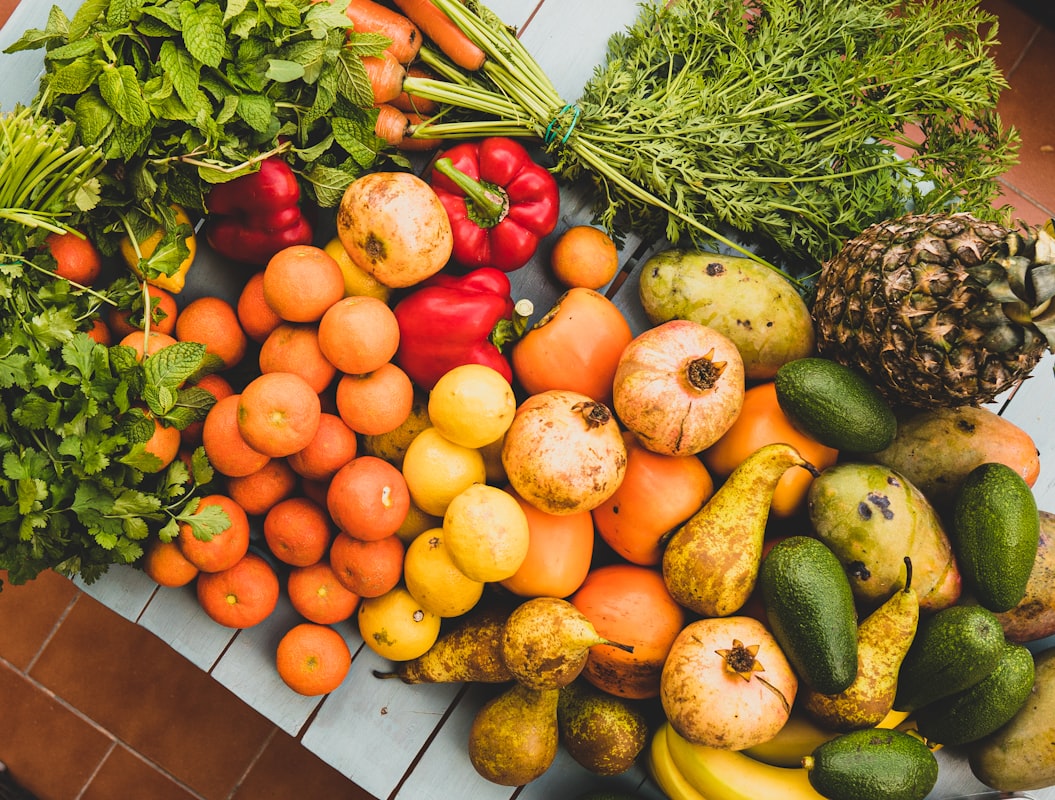
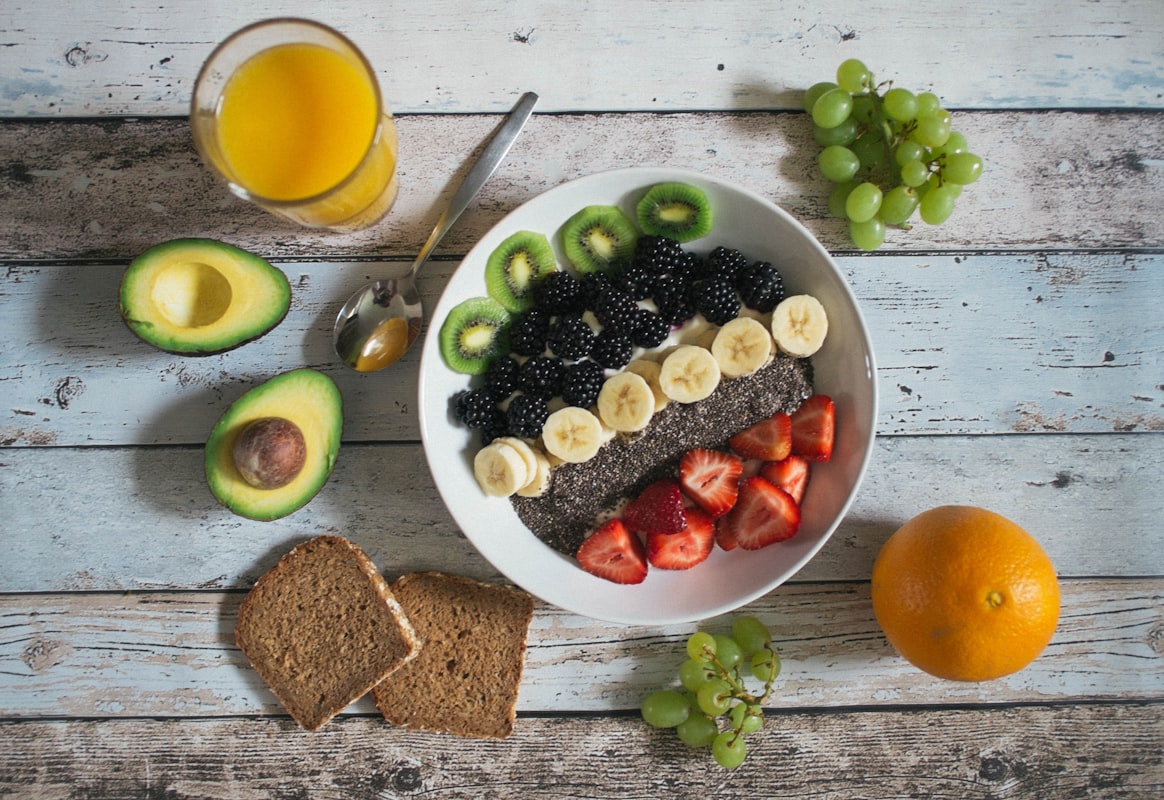
Start your morning with a combination of whole grains, protein, and fruit. A balanced breakfast stabilises blood sugar and supports focus throughout the morning.
Explore Recipes
Lunch Strategy
Midday meals should include lean protein, complex carbohydrates, and plenty of vegetables. This combination maintains energy levels and prevents afternoon fatigue.
Explore Recipes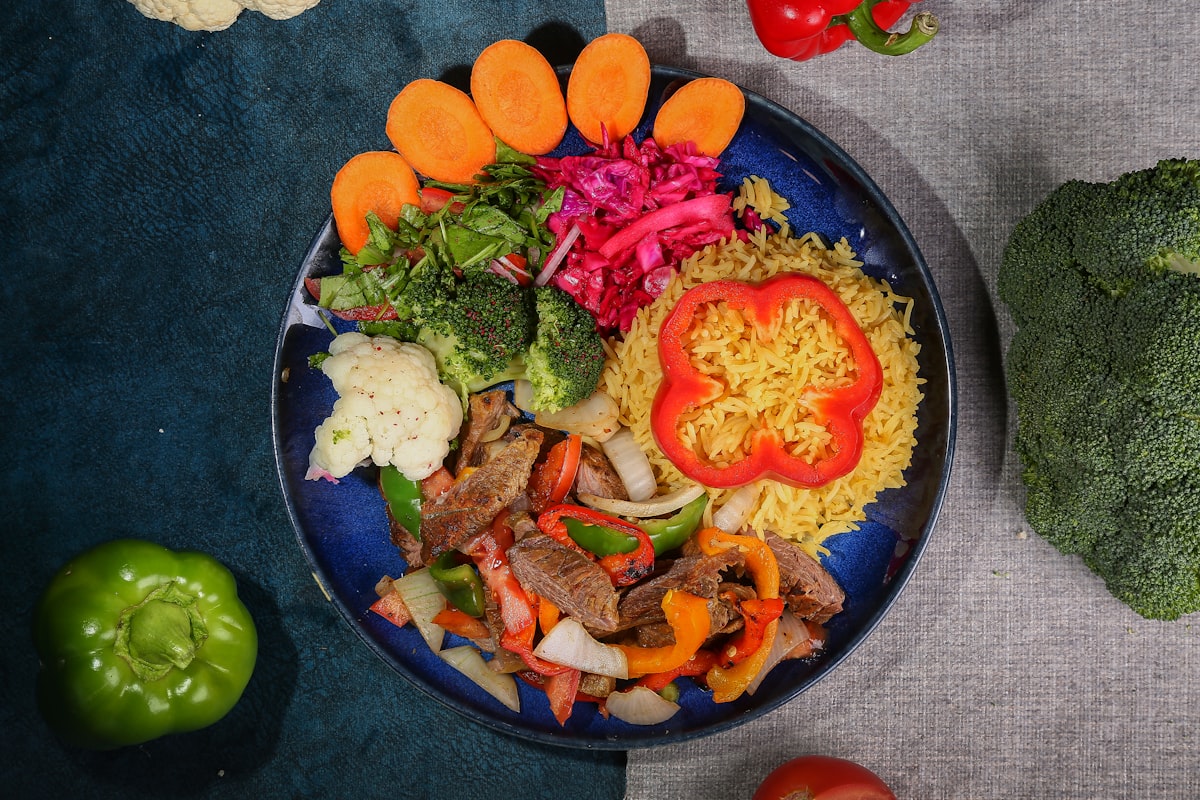
Dinner Principles
Evening meals should be nutrient-dense and balanced to support recovery and sleep quality. Include protein, fibre, and healthy fats in appropriate portions.
Explore Recipes
Snacking Wisely
Strategic snacks bridge the gap between meals and prevent overeating. Combine protein with fibre to maintain stable energy and satisfaction throughout the day.
Explore Recipes
Hydration Habits
Water is fundamental to nutritional balance. Proper hydration supports digestion, energy levels, and cognitive function. Learn strategies for consistent daily intake.
Learn More
Mindful Eating
How you eat is as important as what you eat. Practising mindfulness during meals enhances digestion, increases satisfaction, and supports better food choices.
Read FAQsWhy Choose Dietbalancepath
Evidence-Based Content
Our editorial team reviews current nutritional science to provide information grounded in peer-reviewed research and practical application.
Practical Guidance
Beyond theory, we provide real-world meal ideas, shopping strategies, and flexible approaches that fit different lifestyles and preferences.
Inclusive Approach
Whether you follow specific dietary patterns or have particular preferences, our content respects diverse food choices and nutritional goals.
Continuous Learning
We regularly update our articles and recipes to reflect emerging nutrition research and share new strategies for achieving dietary balance.
Common Questions About Nutritional Balance
A balanced meal typically includes a source of lean protein (fish, chicken, legumes, or tofu), complex carbohydrates (whole grains, potatoes, or vegetables), and healthy fats (olive oil, nuts, or seeds). The specific proportions depend on your activity level and individual goals, but a general guide is to fill half your plate with vegetables, one quarter with protein, and one quarter with whole grains, with a small amount of healthy fat added throughout.
The ideal eating frequency varies by individual. Some people thrive on three meals per day, while others prefer four to five smaller meals and snacks. What matters most is finding a pattern that keeps your energy stable, prevents overeating, and fits your schedule. Experiment with different approaches and pay attention to how your body responds in terms of energy, focus, and satisfaction.
Absolutely. Nutritional balance doesn't require giving up foods you love. The key is understanding portions, frequency, and how to combine foods strategically. If you enjoy pizza, bread, or sweets, you can include them in a balanced diet by pairing them with vegetables and protein, enjoying appropriate portions, and balancing other meals throughout the day. Sustainable eating is about flexibility, not deprivation.
Signs of dietary balance include stable energy throughout the day, good focus and mood, healthy digestion, consistent sleep quality, and feeling satisfied without cravings. You can also track your meals for a few days to assess whether you're getting adequate protein, various vegetables, whole grains, and healthy fats. Many people find that keeping a simple food journal helps identify patterns and areas for improvement.
Not necessarily. Nutritional balance works at different scales — daily, weekly, and seasonal. You don't need perfect balance at every meal; instead, aim for it across your week. Some days you might eat more carbohydrates if you exercised, while other days might have different proportions. The flexibility of this approach makes it sustainable and allows you to respond to your body's needs and life circumstances.
Start with one small change at a time rather than overhauling everything at once. You might begin by adding extra vegetables to one meal per day, then gradually introduce this across all meals. Next, focus on adding adequate protein to each meal. Small, consistent improvements accumulate into lasting habits much more effectively than dramatic changes that feel unsustainable.
Your Path to Nutritional Balance
Assess Your Current Diet
Spend a few days noting what you eat and how you feel. This baseline helps you identify patterns, strengths, and areas where nutritional balance could improve. Notice energy levels, digestion, mood, and hunger patterns.
Learn & Plan
Browse our recipe collection and articles on food groups. Start planning meals that include protein, whole grains, vegetables, and healthy fats. Create a simple meal plan for the upcoming week based on what appeals to you.
Implement & Adjust
Begin incorporating more balanced meals, starting with one meal per day if that feels manageable. Observe how you feel and make adjustments as needed. Remember that this is a gradual, flexible process of continuous improvement.
Stories from Our Readers
"I've always struggled with understanding what a balanced meal actually means. The articles on Dietbalancepath made it so clear and practical. I started using the meal combination guides, and within a few weeks, I noticed my energy was more stable throughout the day. I don't feel deprived because I can still enjoy the foods I like—I just understand better how to balance them now."
Sarah Mitchell
Bristol, United Kingdom
"As someone who's tried numerous diet plans, I appreciate that Dietbalancepath focuses on balance rather than restriction. The recipes are straightforward, the ingredient lists aren't intimidating, and the explanations about macronutrients actually make sense. My whole family has benefited from the practical meal ideas, and we're all eating better without feeling like we're 'on a diet.'"
James Cooper
Manchester, United Kingdom
"The food groups article was exactly what I needed. I was confused about healthy fats and why they matter, but it explained everything clearly. Now I understand why balance includes good oils and nuts, not just lean proteins and vegetables. The whole approach feels sustainable because it's not about perfection—it's about making informed choices every day."
Emma Richardson
Edinburgh, United Kingdom
"I've recommended the website to several friends because the content is honest and based on evidence rather than trends. The FAQ section answered questions I didn't even know how to ask. What impressed me most was the acknowledgement that balance looks different for different people—there's no one-size-fits-all approach, just principles you can adapt."
David Thompson
London, United Kingdom
Stay Updated with New Articles
Get our latest nutrition articles, recipes, and practical guidance delivered to your inbox—no spam, just useful content.
Ready to Explore Nutritional Balance?
Browse our collection of evidence-based articles, practical recipes, and guidance on food groups. Discover how to create meals that support your energy, health, and well-being.