
Master Your Nutritional Balance
Explore the core principles and evidence-based strategies that form the foundation of healthy eating patterns. Our comprehensive guide breaks down the essential elements of balanced nutrition and how they work together to support your wellbeing.
The information on this site is for educational purposes only and does not constitute medical advice. Always consult a qualified healthcare professional before making health decisions.
Key Nutritional Foundations
Macronutrient Balance
Carbohydrates, proteins, and healthy fats work in harmony to fuel your body and maintain steady energy throughout the day.
Micronutrient Diversity
Vitamins and minerals from varied whole foods support immune function, bone health, and cellular processes essential for vitality.
Portion Awareness
Understanding serving sizes and listening to hunger cues helps maintain energy balance and prevents overeating patterns.
Food Quality
Choosing minimally processed, nutrient-dense foods maximises the health benefits your body receives from every meal.
The Science Behind Balanced Eating
Nutritional balance is not about restriction or eliminating entire food groups. Rather, it's about understanding how different nutrients interact within your body and creating eating patterns that support your unique needs and lifestyle.
When you consume the right proportions of macronutrients alongside a full spectrum of micronutrients, your body functions optimally. This balance supports cognitive performance, emotional wellbeing, physical strength, and long-term resilience.
- Sustained Energy: Balanced meals prevent blood sugar spikes and energy crashes throughout your day
- Mental Clarity: Proper nutrition fuels brain function and supports emotional regulation
- Body Strength: Adequate protein and micronutrients maintain muscle tissue and physical capacity
- Immune Resilience: Diverse micronutrients strengthen your body's natural defence systems
Six Core Pillars of Nutritional Balance
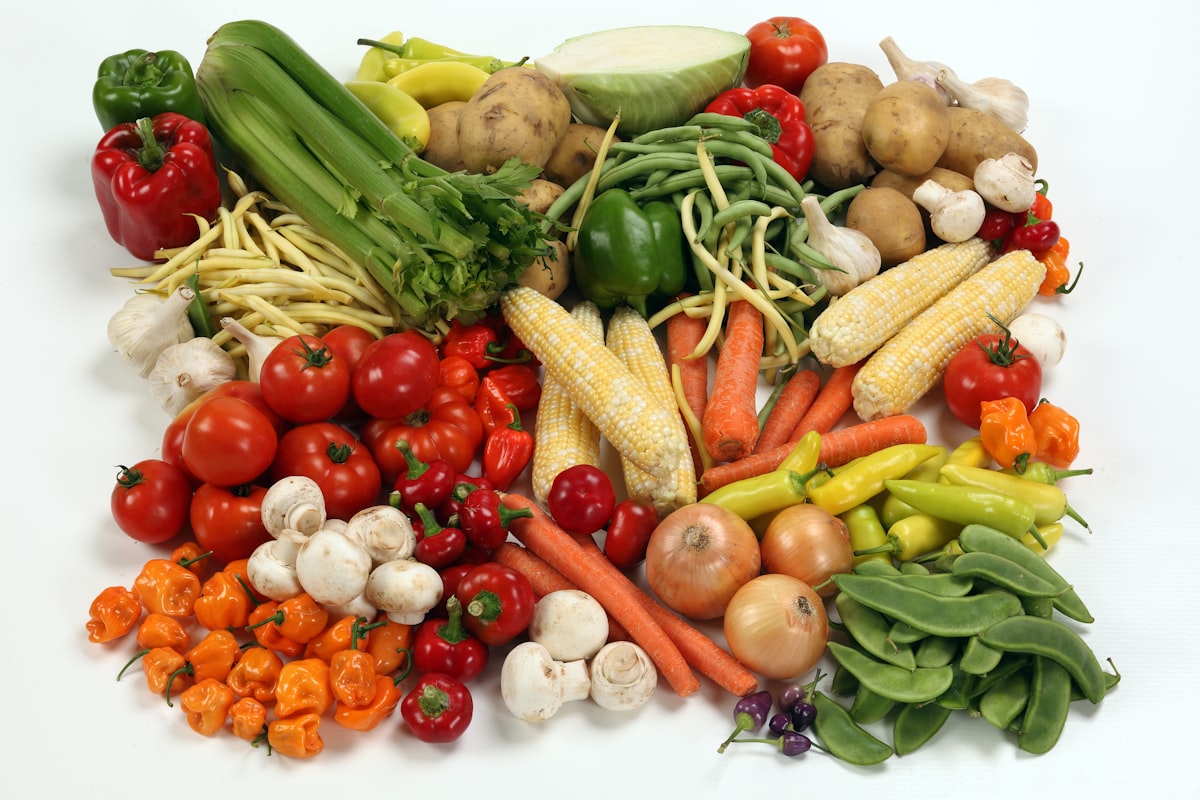
Complex Carbohydrates
Whole grains, legumes, and starchy vegetables provide sustained energy and fibre for digestive health. They form the foundation of most balanced meals.
Include oats, brown rice, quinoa, beans, and sweet potatoes in daily eating.
Quality Proteins
Lean meats, fish, eggs, dairy, and plant-based proteins rebuild tissues, support muscle maintenance, and regulate appetite throughout the day.
Aim for 25-35 grams of protein per meal for optimal satiety and recovery.

Healthy Fats
Omega-3 fatty acids, monounsaturated fats, and plant-based oils support brain health, hormone balance, and nutrient absorption from other foods.
Include olive oil, avocados, fatty fish, nuts, and seeds regularly.

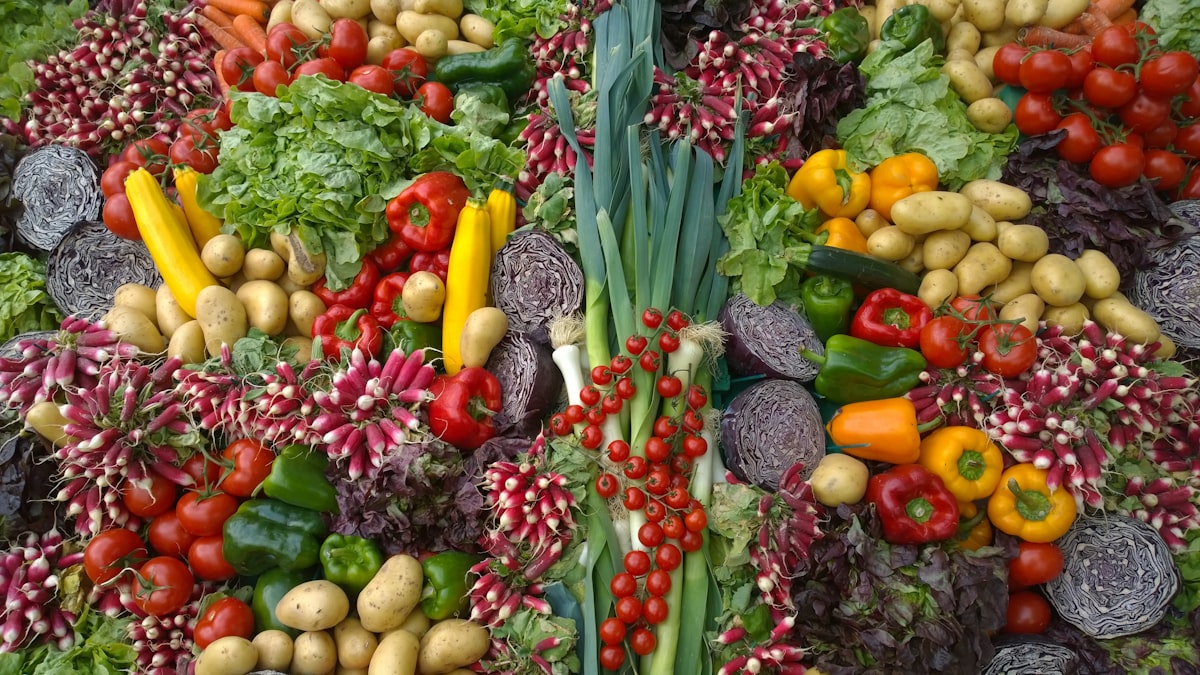
Vibrant Vegetables
Vegetables of different colours provide unique phytochemicals, antioxidants, and fibre that protect cellular health and support digestive function.
Fill half your plate with vegetables at lunch and dinner for maximum benefit.

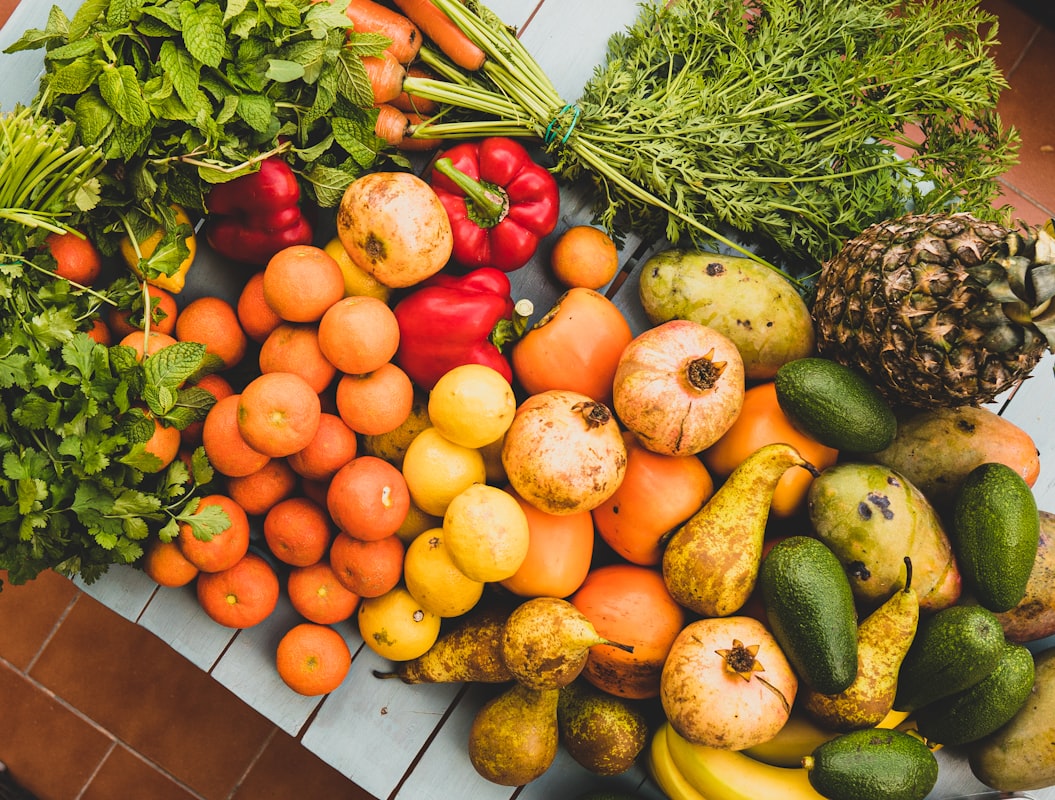
Fresh Fruits
Fruits deliver natural sugars, vitamins, minerals, and fibre in whole-food form. They satisfy sweet cravings whilst providing genuine nutritional value.
Choose whole fruits over juices and enjoy seasonal varieties for maximum nutrient density.

Proper Hydration
Water intake regulates body temperature, supports nutrient transport, aids digestion, and enhances physical and mental performance throughout daily activities.
Drink 2-3 litres daily, adjusting for activity level and climate conditions.
Your 5-Step Daily Balance Blueprint
Start with Mindful Breakfast
Begin your day with a meal combining complex carbohydrates, quality protein, and healthy fat. This stabilises blood sugar, prevents mid-morning crashes, and supports cognitive function for work and learning. Examples include oatmeal with berries and almonds, eggs with whole-grain toast and avocado, or Greek yogurt with granola and walnuts.
Include Mindful Snacking
Plan nutritious snacks that bridge the gap between main meals—a piece of fruit with handful of nuts, hummus with vegetable sticks, or cheese with whole-grain crackers. These prevent energy dips and excessive hunger that leads to poor food choices at subsequent meals.
Build Balanced Lunch and Dinner
Structure these meals using the plate method: half vegetables, one quarter lean protein, one quarter whole grains or starchy vegetables. Add a tablespoon of healthy oil or fat source. This simple visual framework ensures nutritional completeness without complex calculations or measuring.
Monitor Your Hydration
Drink water consistently throughout the day, particularly with meals and during physical activity. Proper hydration enhances nutrient absorption, supports digestion, maintains skin elasticity, and helps distinguish genuine thirst from habitual snacking urges.
Practice Flexible Consistency
Apply these principles consistently across most days whilst allowing flexibility for social occasions, cultural celebrations, and special meals. Sustainable balance means enjoying food without guilt whilst returning to balanced habits as your baseline approach to eating.
Common Nutritional Questions Answered
Most adults need 0.8 grams of protein per kilogram of body weight daily. If you weigh 70kg, that's approximately 56 grams. However, if you exercise regularly or do strength training, you may benefit from 1.2–2.0 grams per kilogram. Distribute protein across all meals to maximise muscle synthesis and maintain steady hunger hormones throughout the day.
No. Complex carbohydrates from whole grains, legumes, and vegetables provide fibre, which slows digestion and prolongs satiety. These support stable blood sugar and sustained energy. It's refined carbohydrates—white bread, sugary drinks, processed snacks—that cause rapid blood sugar spikes and subsequent crashes. Choose whole-grain options to enjoy carbohydrates whilst maintaining balance.
Not at all. Healthy fats from olive oil, avocados, nuts, and fatty fish are essential for hormone production, brain function, and nutrient absorption. Fats also increase satiety, helping you feel fuller longer. The key is choosing quality fats in appropriate portions—a tablespoon of olive oil or a small handful of nuts adds significant nutritional value without excess calories.
Focus on affordable whole foods: eggs, tinned fish, dried beans and lentils, seasonal vegetables, brown rice, and oats. Buy store brands, shop sales, and consider frozen vegetables which are just as nutritious and often cheaper. Batch cooking from basic ingredients costs significantly less than pre-packaged meals whilst delivering superior nutrition.
Regular meal and snack timing prevents excessive hunger and energy crashes that often trigger unhealthy food choices. Eating every 3–4 hours maintains steady blood sugar and supports sustained focus and energy. However, individual needs vary—some thrive with three meals, others prefer frequent small meals. Find what feels sustainable for your lifestyle and energy patterns.
Absolutely. Plant-based diets can be perfectly balanced by combining legumes with grains (beans and rice), including diverse vegetables, nuts, seeds, and whole grains. Plant-based proteins may have less complete amino acid profiles individually, so variety is key. Paying attention to vitamin B12, iron, and omega-3 sources ensures you meet all micronutrient needs on a vegetarian or vegan diet.
Real Stories from Health-Conscious Eaters
"I used to skip breakfast and crash by midday. Learning to build balanced meals with protein and complex carbs completely changed my energy levels and afternoon focus. I feel like I've reclaimed my productivity."
Sarah Mitchell
Manchester, England
"The plate method simplified everything. No complex counting or restriction—just half vegetables, a quarter protein, a quarter grains. My whole family enjoys eating this way, and we genuinely feel better on it."
David Chen
London, England
"As a vegan, I wasn't sure if I could get enough protein and nutrients. Understanding how to combine beans, grains, and diverse vegetables gave me confidence. My bloodwork has been excellent, and I have consistent energy."
Emma Thompson
Edinburgh, Scotland
Discover More About Balanced Nutrition
Explore our comprehensive articles, recipes, and food group guides to deepen your understanding of how to eat well every day.
Stay Updated with Nutrition Insights
Join our editorial community to receive thoughtful articles about balanced eating, nutritional science, and practical strategies for sustainable healthy habits delivered to your inbox.
We respect your privacy. Unsubscribe anytime from any email. No spam—only valuable editorial content.